Choose a hatchery for the widest breed selection and sexed chicks, a local breeder for bloodline quality and no shipping stress, or a feed store for the lowest price and the ability to see the actual chick before buying.
This decision usually comes down to three trade-offs: how much choice you want over breed and bloodline, whether you're willing to deal with shipping stress, and how much you're willing to pay for certainty versus price. Here's the honest version of each path.
Hatchery (mail-order)
What you get: the widest breed selection by far. Our own directory tracks hatcheries offering anywhere from 20 to 200 breeds each, sexed chicks (so you can order pullets specifically instead of a random mix), and, at most hatcheries, vaccination options before shipping, which neither breeders nor feed stores typically offer.
What you're trading away: the birds usually aren't bred to strict breed standards, and you generally don't know the parent stock. Shipping is real physical stress on a day-old chick, and while most hatcheries have a live-arrival guarantee (48 hours is standard in our data, ranging from 24-72), that guarantee is a remedy for loss, not a prevention of it. Many hatcheries also require a minimum order (often 3-25+ chicks) because of how they manage shipping heat retention, which can force you to buy more birds than you wanted.
Real pricing spread, from our hatchery directory: standard-breed chicks run $3.50-$5.50 each across most hatcheries we track, while rare/heritage-breed specialists like Greenfire Farms run closer to $15/chick. Shipping structure varies just as much as price: some hatcheries ship free over a threshold, some always charge, and that changes your real delivered cost more than the sticker price does.
Best fit: you want a specific breed mix, you're comfortable with mail-order logistics, and you don't have a local breeder or feed store with what you want in stock.
Local breeder
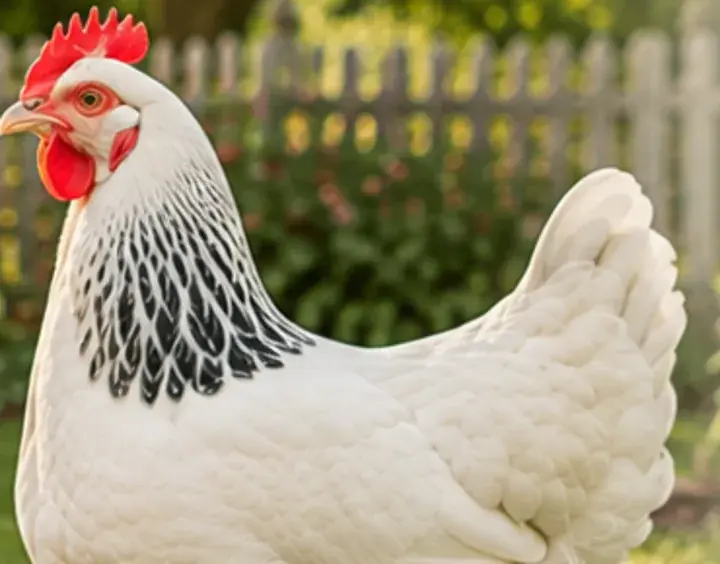
What you get: birds bred and raised with more individual attention than a commercial hatchery can give at scale, often selected over generations for temperament and long-term health rather than just hatch rate. You can usually see the parent stock, ask direct questions, and pick up in person, which eliminates shipping stress entirely.
What you're trading away: breeders aren't required to carry NPIP certification (regulations vary by state, and small operations often aren't inspected the way commercial hatcheries are), so the disease-testing assurance you get from an NPIP-certified hatchery isn't automatic here. Ask directly. Sexing accuracy varies more too; some breeders only sell straight-run (unsexed) chicks. Expect a real price premium over hatchery or feed-store chicks, a smaller breed selection than a hatchery, and in some cases a waitlist, since a small operation can only hatch so many at once.
Best fit: you want a specific bloodline or breed-standard quality, you're willing to pay more and wait longer for it, and you'd rather pick up in person than deal with shipping.
Feed store
What you get: the lowest price point, often just a few dollars per chick, and sometimes further discounted after the chicks have been in-store a week or two. You also get to physically inspect and choose individual chicks before buying, which neither hatchery mail-order nor most breeder transactions allow.
What you're trading away: feed store chicks are hatchery chicks one step removed. Stores typically buy in bulk from the same commercial hatcheries covered above, which means you get the same breed-standard trade-offs as ordering from a hatchery directly, minus the ability to choose which hatchery or verify NPIP status yourself, since the store generally won't have that documentation on hand. Staff are rarely trained in poultry specifics, so breed-identification and care advice at the register is inconsistent. Availability is also seasonal and unpredictable. Feed stores typically stock during spring "chick days" and often don't carry chicks at all later in the year, unlike hatcheries, which take orders further into the season.
Best fit: you want the cheapest entry point, you're not particular about exact breed or bloodline, and you want to see the actual chick before buying.
Side-by-side
|
Hatchery |
Local breeder |
Feed store |
| Breed selection |
Widest |
Narrowest |
Whatever they stocked |
| Price per chick |
$3.50-$15 (breed dependent) |
Highest |
Lowest |
| Shipping stress |
Yes |
No (pickup) |
No (pickup) |
| NPIP/health documentation |
Standard at most hatcheries |
Ask directly, not guaranteed |
Rarely available at point of sale |
| Sexed chicks available |
Usually |
Sometimes |
Rarely |
| Minimum order |
Often required (3-25+) |
Rarely |
No |
| Seasonal availability |
Extended ordering window |
Varies by breeder |
Spring "chick days" mainly |
The actual decision
If breed selection and sexed chicks matter most to you, and you're fine with mail-order: hatchery. If bloodline quality, breed standard, and in-person pickup matter most, and you're willing to pay for it: local breeder. If price and being able to see the actual chick matter most, and you're not particular about the source: feed store, keeping in mind you're getting a hatchery chick either way, just without the choice of which one.
Compare current hatchery listings, NPIP status, and pricing in the hatchery directory before you order.
Sources
General research on breeder/feed-store trade-offs (Backyard Poultry, The Pioneer Chicks, Homestead and Chill, BackyardChickens.com); hatchery pricing/policy data from the CoopCodes hatchery directory, verified 2026-07-04.